
Ashland Commercial Roof Coating Services
Five coating systems for commercial roofs in Ashland and nearby towns: metal, silicone, acrylic, spray foam, and shingle, each matched to the roof it fits.
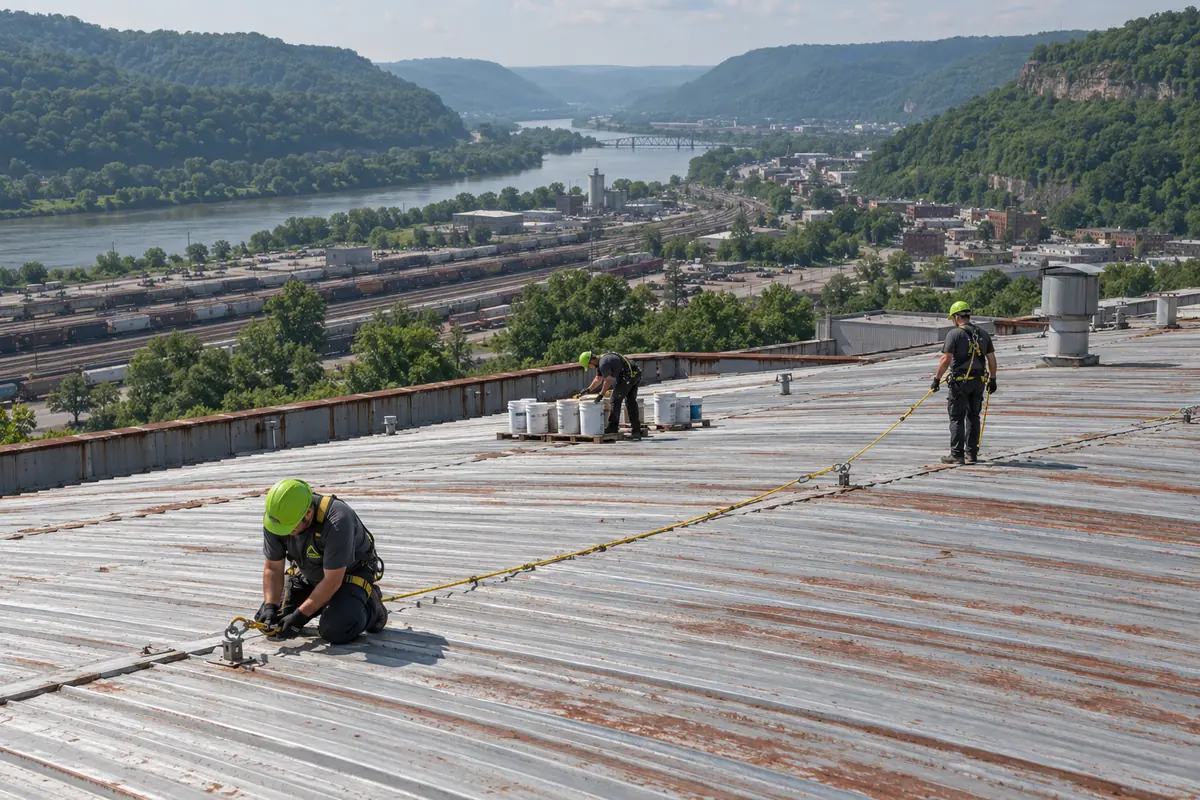
Commercial Roof Coating Services For Ashland Buildings
Each system below covers a different kind of commercial roof. The fit line says which roof it suits.
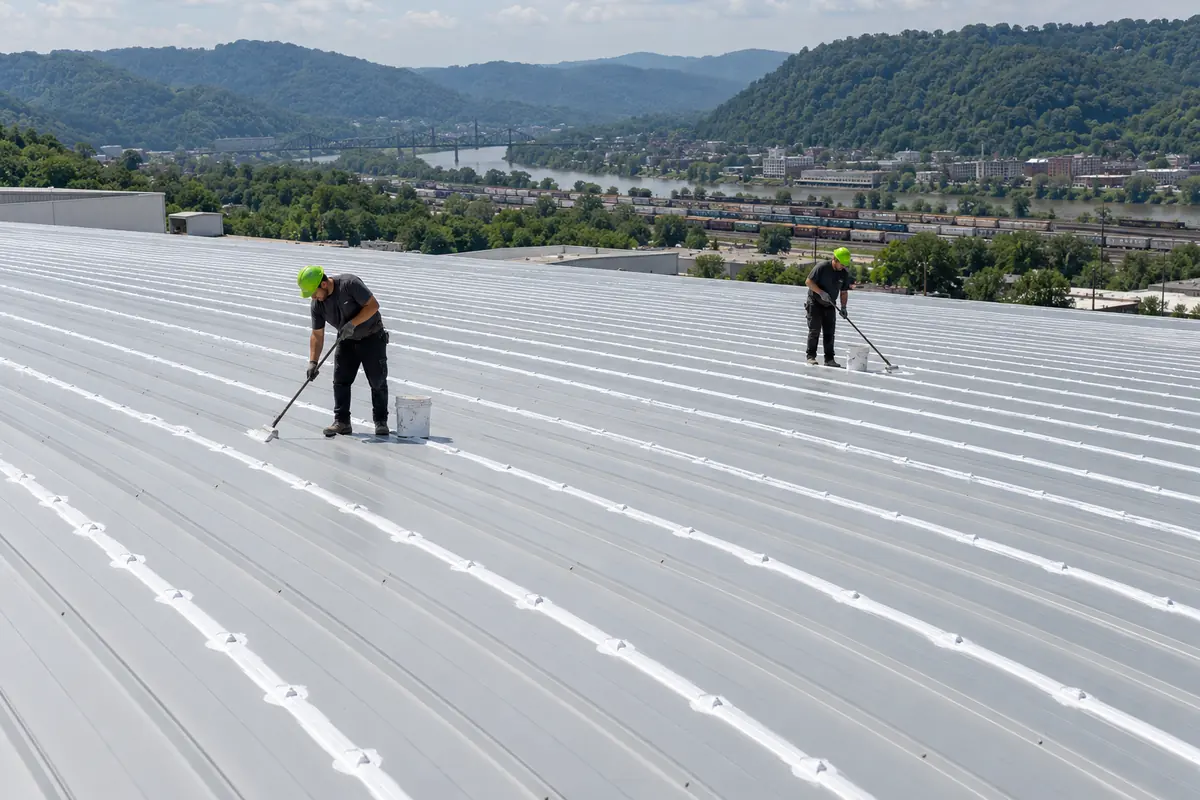
Metal Roof Coating
The core of our work. Exposed-fastener and standing seam roofs get rust grading, fastener replacement, lap reinforcement, and a full coating system.
See metal roof coating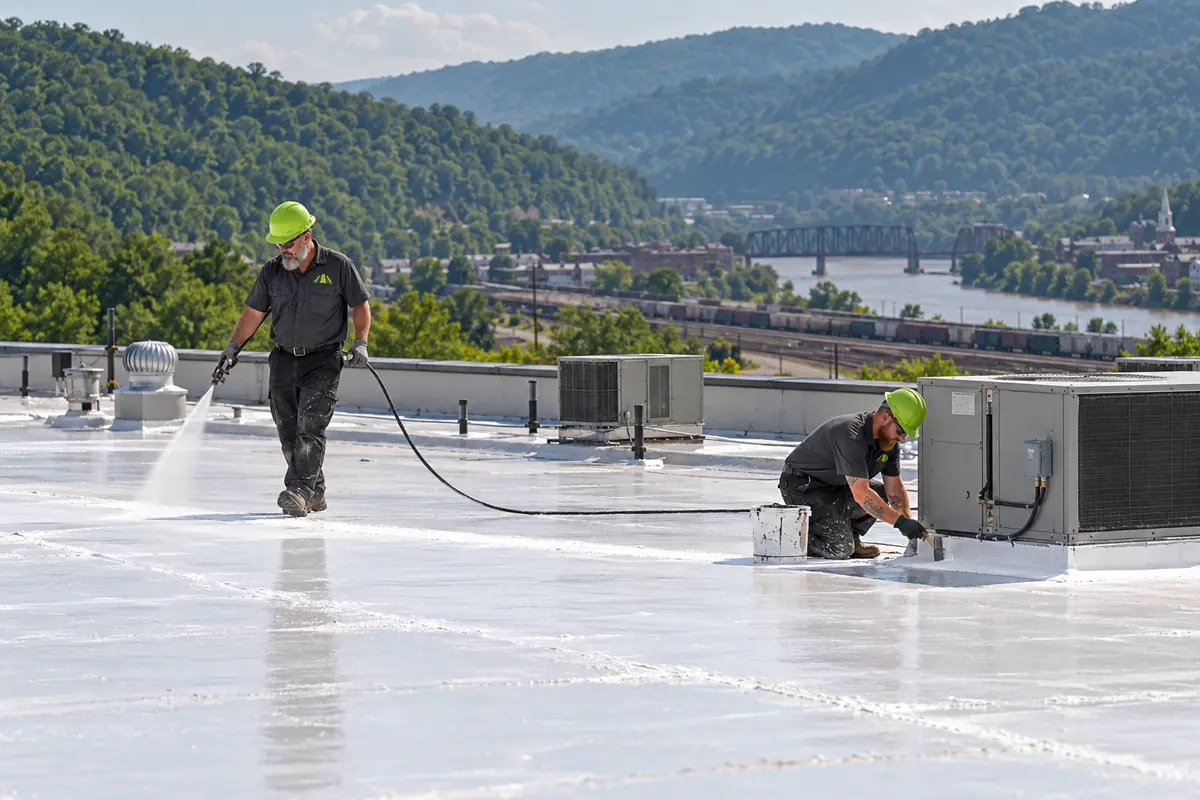
Silicone Roof Coating
For roof sections that hold water: low-slope additions, dock roofs, and the upslope side of rooftop units, where standing water would soften other coatings.
See silicone roof coating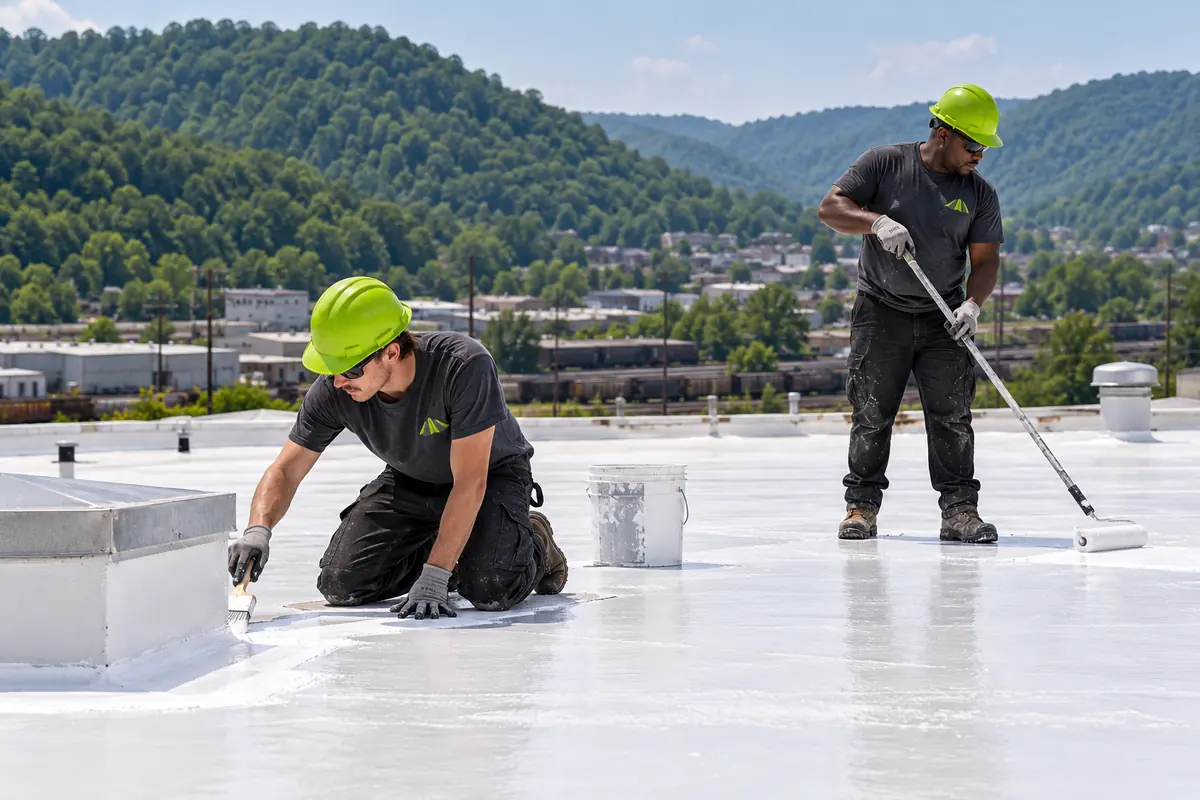
Acrylic Roof Coating
A water-based white coat for steep roofs that drain fast, scheduled for the dry, mild days it needs to cure.
See acrylic roof coating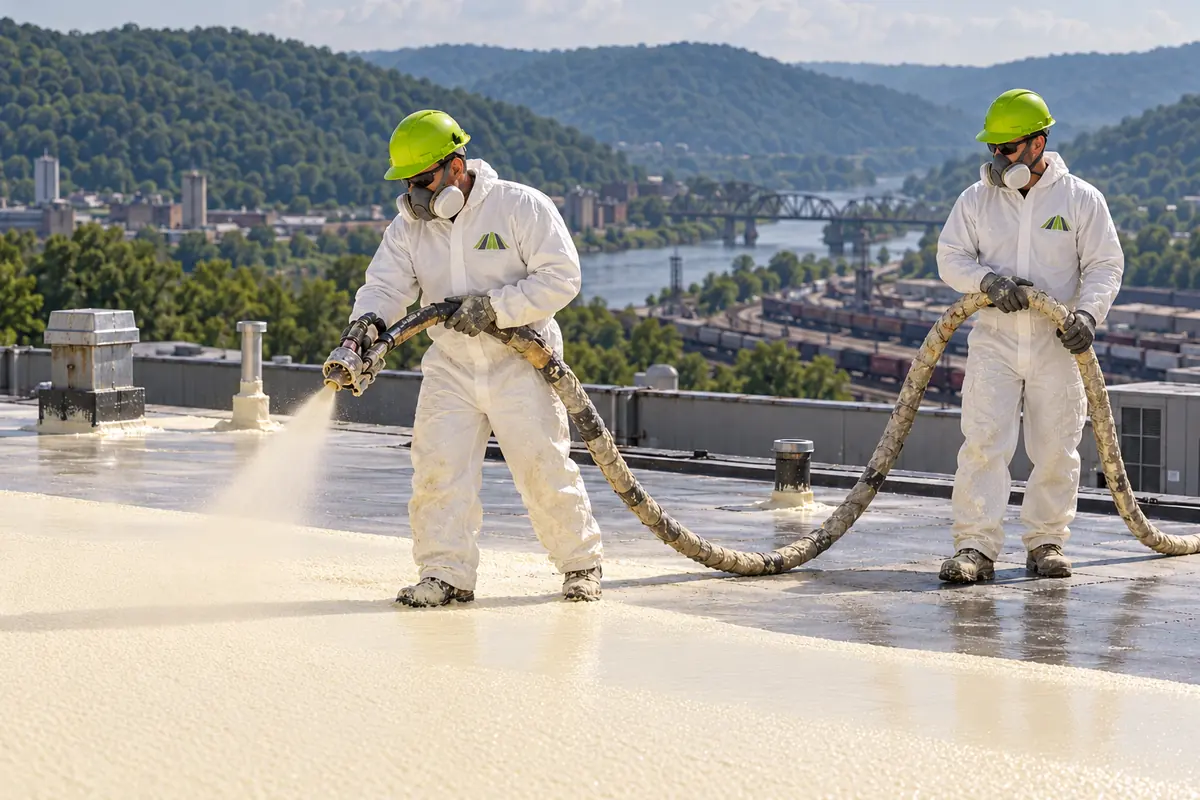
Spray Foam Roofing
Foam over metal or flat roofs for buildings that need insulation, condensation control, or new slope, finished with a protective topcoat.
See spray foam roofing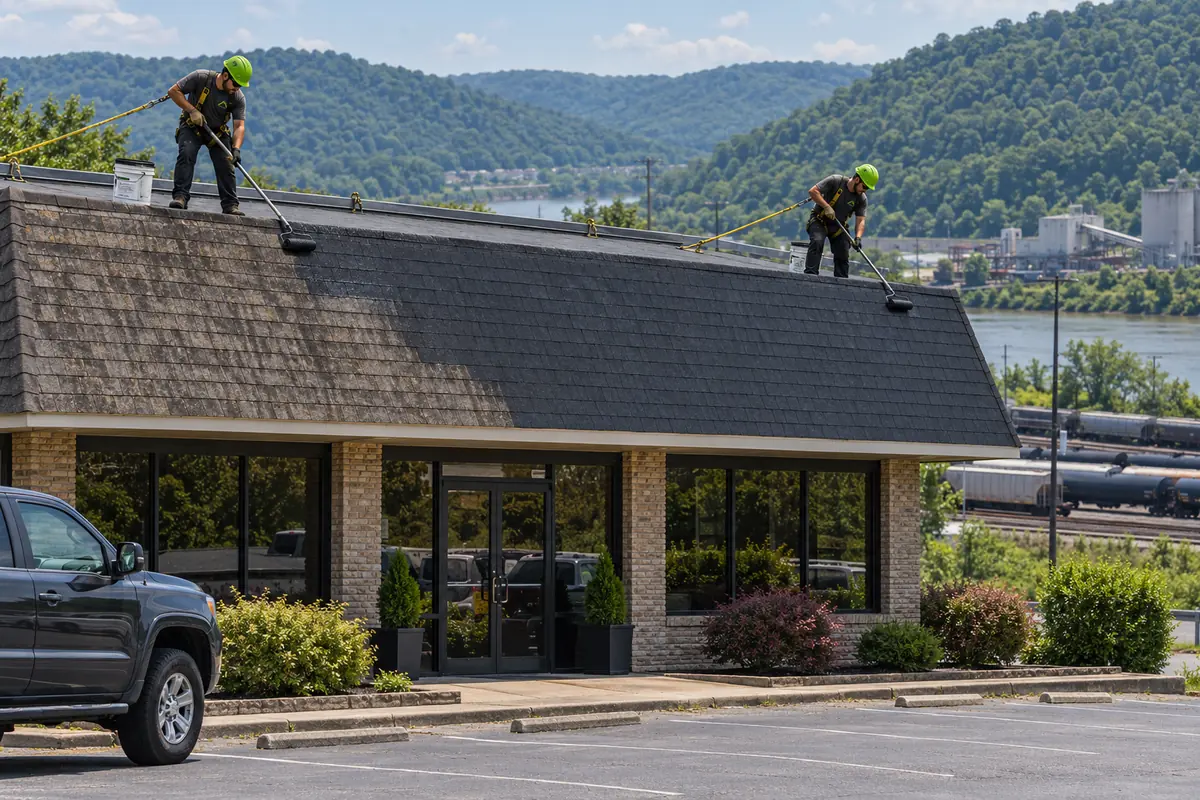
Shingle Roof Coating
Intact commercial asphalt shingles qualify once the maker’s terms allow coating, often paired with a metal canopy coated in the same visit.
See shingle roof coating
Which System Fits Which Roof
Slope, standing water, prep, and later recoats point to a system. This table sums up how the five compare.
| Metal Coating | Silicone | Acrylic | Spray Foam | Shingle Coating | |
|---|---|---|---|---|---|
| Best roof | Exposed-fastener and standing seam metal | Low-slope and flat sections | Steep, fast-draining metal | Metal or flat roofs needing insulation | Intact asphalt shingles |
| Standing water | Set by the topcoat chosen | Handles ponding well | Softens under ponding | Can be built up to add slope | Needs to drain off |
| Main prep | Rust primer, fasteners, laps | Drying, cleaning, adhesion tests | Washing, primer, laps | Cleaning, priming, intake protection | Maker terms, flashing, tabs |
| Recoat later | Same family as the topcoat | Silicone over silicone | Easy, with more acrylic | Recoat the topcoat | Coating made for shingles |
| Watch for | Rust-through and sagging panels | Dust pickup between cleanings | Rain during the early cure | Added weight on the structure | Curled or brittle shingles |
Unsure Which System Your Roof Needs?
Call and describe the roof: its slope, whether water sits after rain, and what is mounted on it. That narrows the choice before the inspection.
What Every Coating Job Shares
The system changes from roof to roof, while the order of work on our coating jobs stays the same.
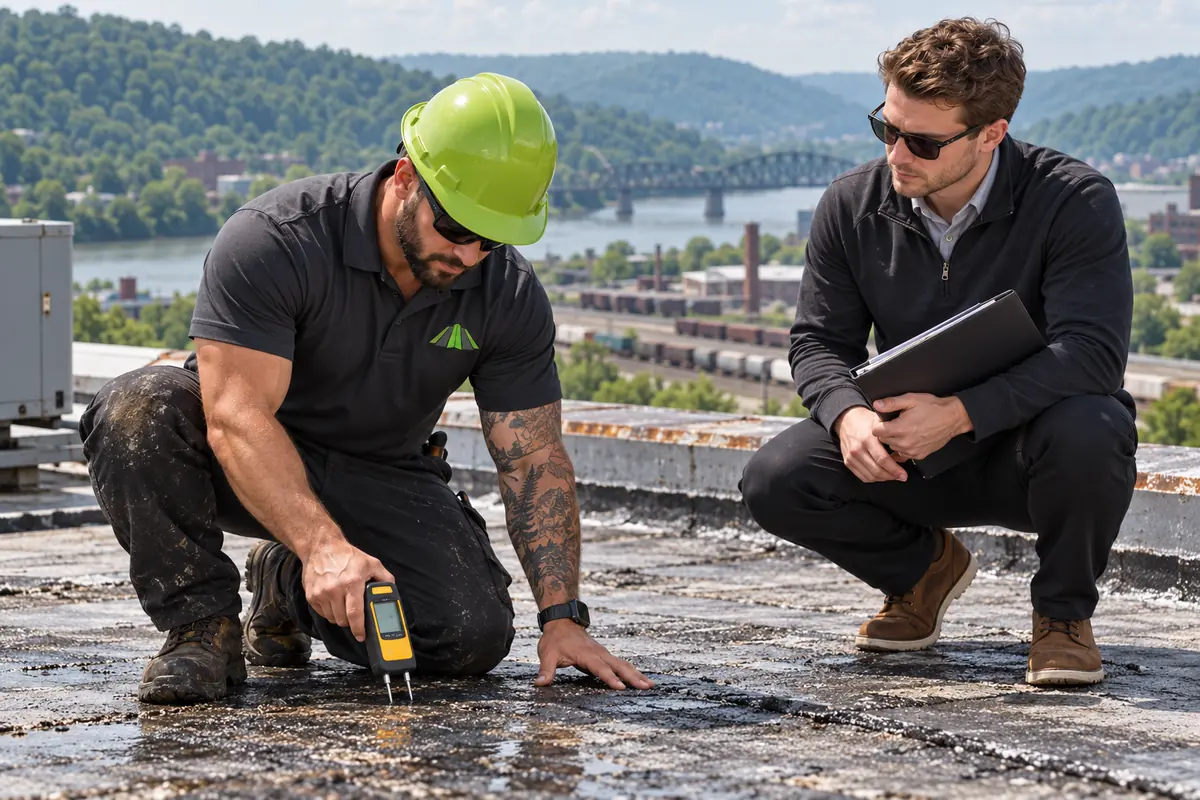
Inspect Your Roof
On The RoofInspection records panel condition, fastener wear, seam failures, rust level, and drainage at gutters and curbs, and those findings pick the system.
Match The System To The Roof
PaperworkCoating, restoration, re-paneling, or spray foam is chosen from the findings, and any permit call is made before scheduling.
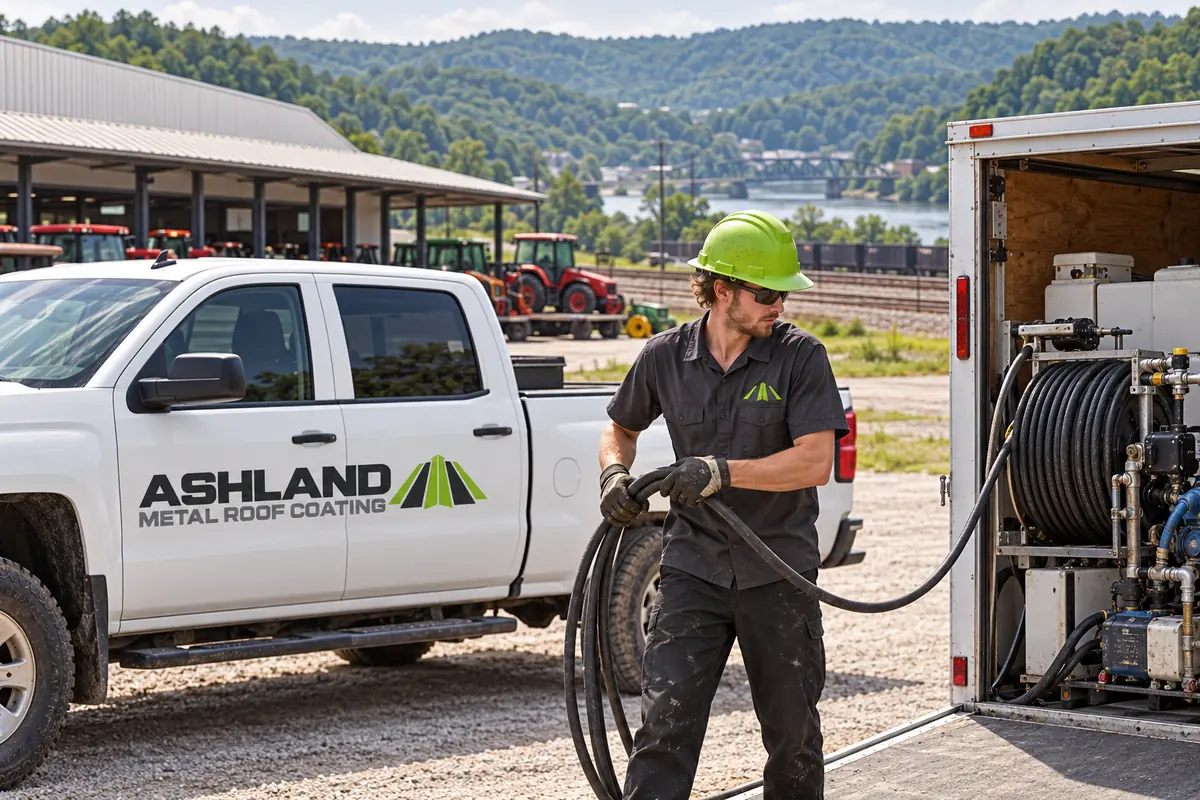
Plan Around The Building
At The BuildingAccess points, unit shutdowns, parking, and work hours are agreed, so the building can stay open below the roof.
Prepare The Surface
On The RoofWashing, fastener and seam repairs, rust treatment, and primer get the roof ready, and this prep matters more than the top coat.
Apply And Check The System
On The RoofCoats or foam go on to the specified thickness, and a final walk checks edges, laps, and every penetration.
Choosing Between Coating Systems
Owner questions about paint, prep, and which coating fits which roof.
- Coating Basics
How Is A Coating Different From Repainting?
Paint is a thin decorative film, while a roof coating is a thick, elastic membrane built to seal and move with the panels. Paint cracks once steel expands on a hot afternoon and shrinks overnight. A coating stretches over end-lap gaps and old sealant splits, so the roof stops leaking where paint would keep it leaking.
Is Prep Different For Standing Seam And Exposed-Fastener Roofs?
Yes. Standing seam hides its clips under raised seams, so prep focuses on seam tops, end caps, ridge closures, and penetrations. Exposed-fastener R-panel puts every screw on the surface, so each one is inspected and sealed, and laps get fabric or tape. Both coat well once their weak points are sealed.
- Picking A System
Should A Metal Roof Get Silicone, Acrylic, Or Urethane?
All three work over primed metal, and slope, water exposure, and foot traffic decide. Silicone and urethane handle ponding, while acrylic softens under it but stays cleaner. Urethane has the hardest surface for foot traffic. Most Ashland-area steel roofs shed water fast, which widens the choice, and low spots push toward silicone or urethane.
Should We Coat, Restore, Re-Panel, Or Replace?
Coating fits solid panels with surface wear. Restoration adds panel patches and heavier seam work for mixed rust and failed laps. Rust-through across large areas calls for re-paneling, and damaged structure or insulation calls for a new roof system. The panel condition on the roof decides the path.
- Getting Started
How Do I Start A Metal Roof Coating Project?
With an inspection that records panel condition, fastener wear, seam failures, rust, and drainage. Before it, gather the roof’s age and past repairs, leak locations, rooftop unit and skylight panel counts, access points, and building hours. The findings decide the system, and weather windows set the start date.
Can Two Systems Go On One Building?
Often, yes. A steep metal roof can take acrylic while a flat dock section takes silicone, or a shingled office wing gets its own coating beside a coated metal canopy. Each area gets the system its slope and surface call for.
Find The Right Coating For Your Roof
Get a free estimate, and the inspection will point to the system that fits.