
Ashland Spray Foam Roofing
We install spray foam roofing in Ashland over old metal and flat roofs, filling the ribs, burying the fasteners, and adding insulation under a protective topcoat.

Foam sprayed over cleaned, primed steel
Continuous insulation layer
Slope built toward drains
Topcoat shields foam from sun
Is This Roof A Fit?
Foam earns its cost where a building needs more than a seal. These cases show when it fits, and when it is the wrong call.
- If Your Roof
Sweats On Cold Mornings
Condensation under bare panels drips on equipment, and insulated steel stays closer to indoor temperature.
Start WithSpray Foam - If Your Roof
Has Thousands Of Leaking Screws
Burying every fastener under foam ends the screw-by-screw sealing job on a heavily fastened roof.
Start WithSpray Foam - If Your Roof
Has Flat Sections That Pond
Foam can be built thicker toward drains, adding slope where a coating alone would leave water sitting.
Start WithTapered Foam - If Your Roof
Rests On A Weak Or Damaged Structure
Damaged purlins or trusses get repaired, or the roof replaced, first, since foam adds some weight.
Start WithStructural Repair
Problems Foam Solves On A Metal Building
Some metal roof problems come from heat and moisture as much as from leaks. These pairs tie each one to the roof.
Dripping On Clear Mornings
Inside The BuildingWater drips on stored equipment or the shop floor on days with no rain at all.
On The RoofWarm, damp air meets cold bare steel and condenses. Foam insulates the panels, so the underside stays closer to room temperature.
Hot Rooms Under The Roof
Inside The BuildingShop or office space under the roof runs hot by afternoon, and the rooftop units rarely rest.
On The RoofBare or faded steel passes heat straight through. Foam adds a continuous insulation layer, and the topcoat reflects sun.
Leaks At Countless Screws
Inside The BuildingDrips appear in new spots every season, along almost every purlin line.
On The RoofWashers fail faster than they can be resealed one by one. Foam covers every fastener in one continuous layer.
Water Pooling On A Flat Section
Inside The BuildingA ceiling stain sits under the flattest part of the roof and grows after each storm.
On The RoofThe section has no slope to move water. Foam can be sprayed thicker toward drains to build slope before the topcoat.
Birds And Drafts At Open Eaves
Inside The BuildingBirds nest against the purlins, and wind blows through gaps along the eaves of farm shops and sheds.
On The RoofOpen corrugation at the eave leaves gaps. The foam layout includes the eave edge, where those gaps are sealed as part of the system.
Commercial Roof Coating Options for Ashland
Foam goes on a few kinds of Ashland-area buildings. Each one gets foam and a protective coat, with different prep underneath.
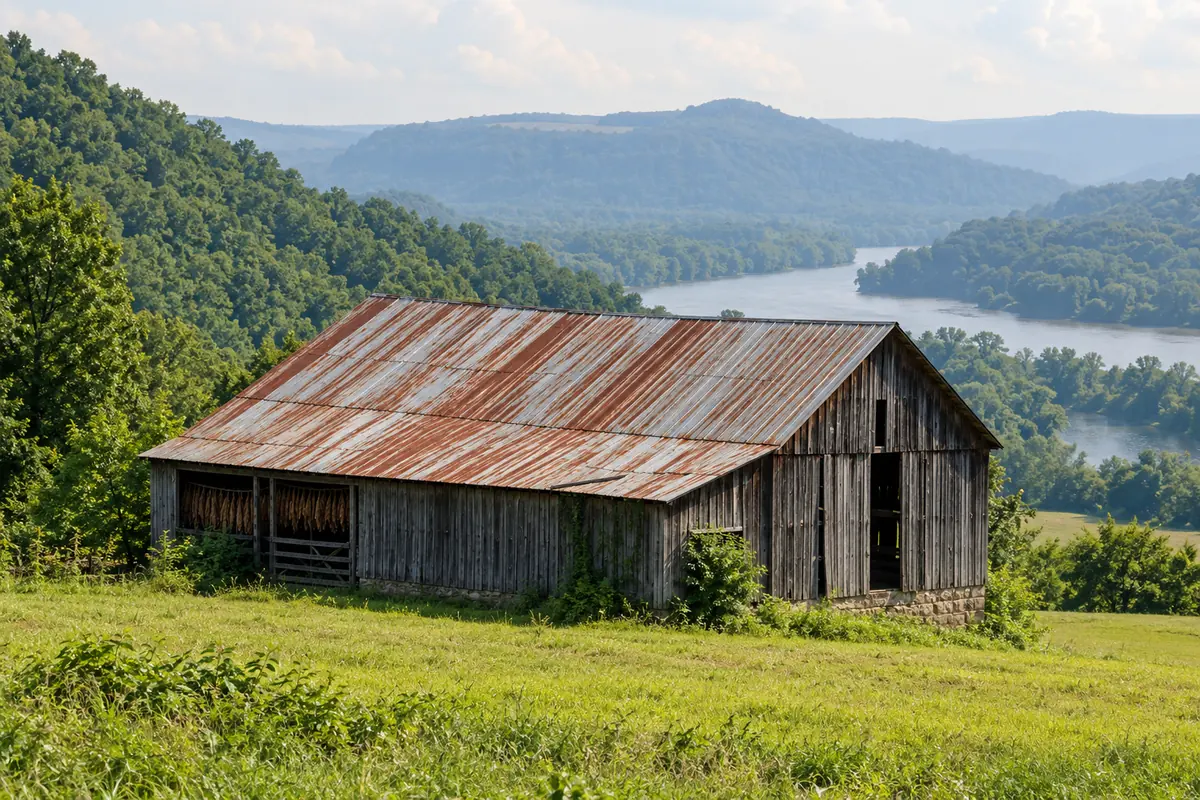
Foam Over Farm And Equipment Buildings
Exposed-fastener barns and equipment sheds that sweat in valley moisture get foam over cleaned, primed steel, then a protective coating.
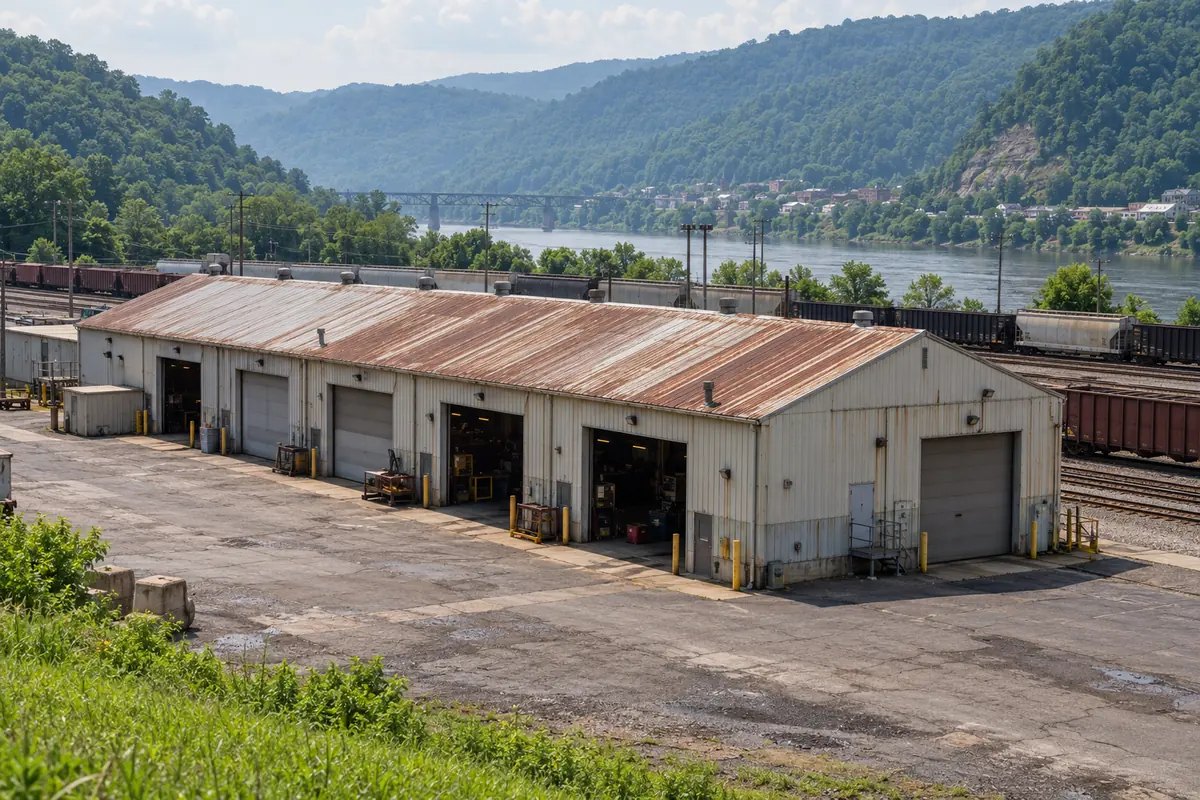
Foam Over Warehouse Metal Roofs
Large warehouse roofs with thousands of screws trade fastener-by-fastener sealing for one continuous foam layer and topcoat.
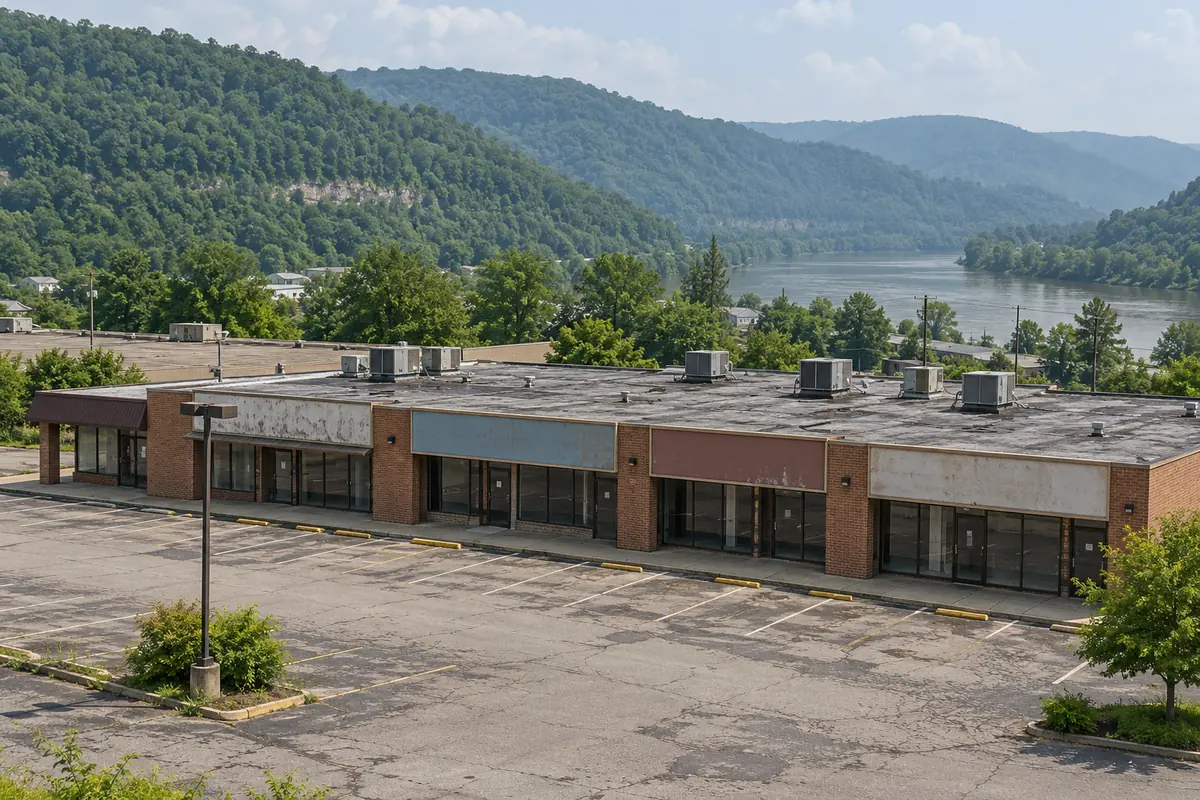
Tapered Foam On Flat Sections
Flat roofs that pond get foam sprayed thicker toward drains, adding slope before the protective topcoat goes on.
Compare silicone for flat roofs
Benefits of Coating Your Roof
Foam plus coating is a coating system with insulation built in. These are its gains on a solid building.
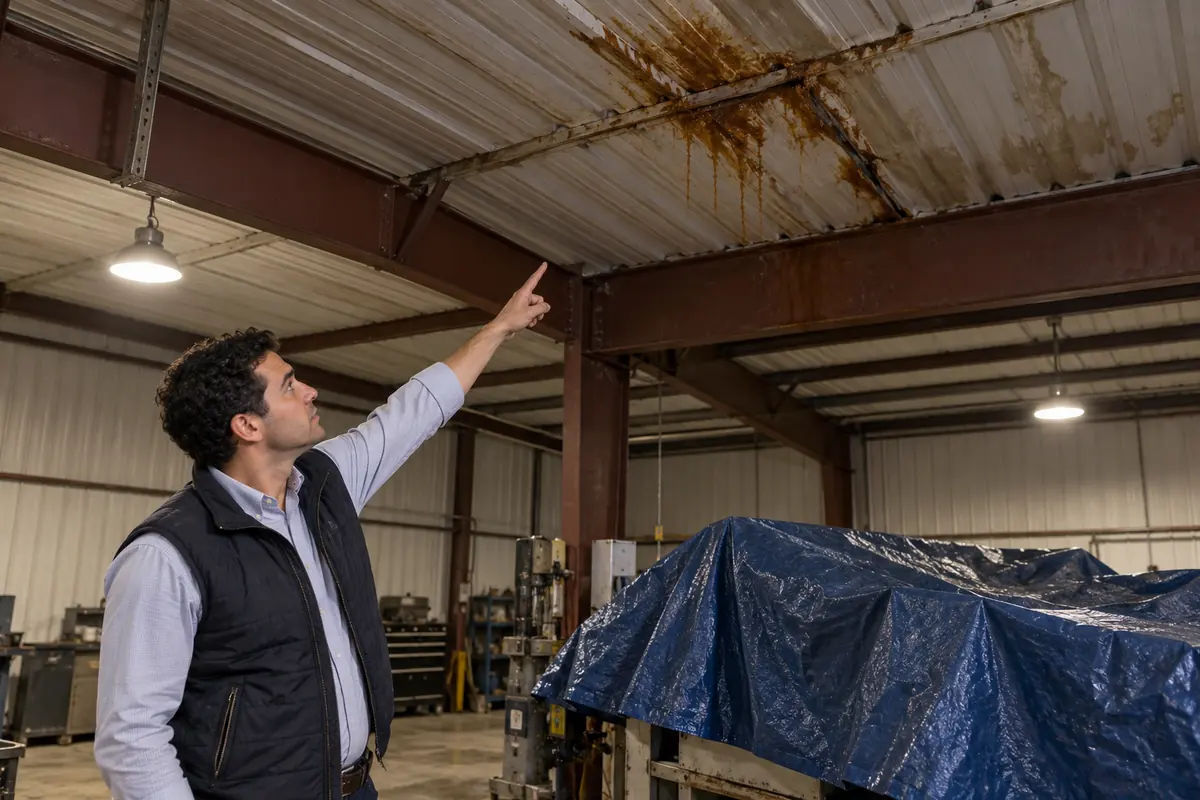
Insulation Without A Tear-Off
The foam layer goes over the existing panels, adding insulation while the old roof stays in place.
Every Fastener Buried
Screws and washers disappear under the foam, which ends the cycle of resealing them one by one.
Less Condensation Inside
Insulated steel stays nearer indoor temperature, so less moisture condenses and drips on stock and equipment.
Slope Where You Need It
Foam thickness can vary across the roof, moving water toward drains on flat areas.
Shop Too Hot Or Dripping Inside?
Call and describe when it happens: a hot afternoon, a cold clear morning, or after rain. The answer points to insulation, condensation, or a leak.
How A Spray Foam Roof Is Installed
Foam work depends on dry steel, protected surroundings, and steady thickness across the roof.
Inspect Your Roof
On The RoofWe check the structure, take moisture readings, and note intakes, vents, parked cars, and neighboring buildings that need protection from overspray.

Protect Intakes And Vehicles
At The BuildingAir intakes are covered, rooftop units are shut down with your maintenance contact, and cars near the eaves are moved or covered.
Clean And Prime The Steel
On The RoofPanels are washed, loose rust is removed, and primer goes on so the foam bonds to firm, dry steel.
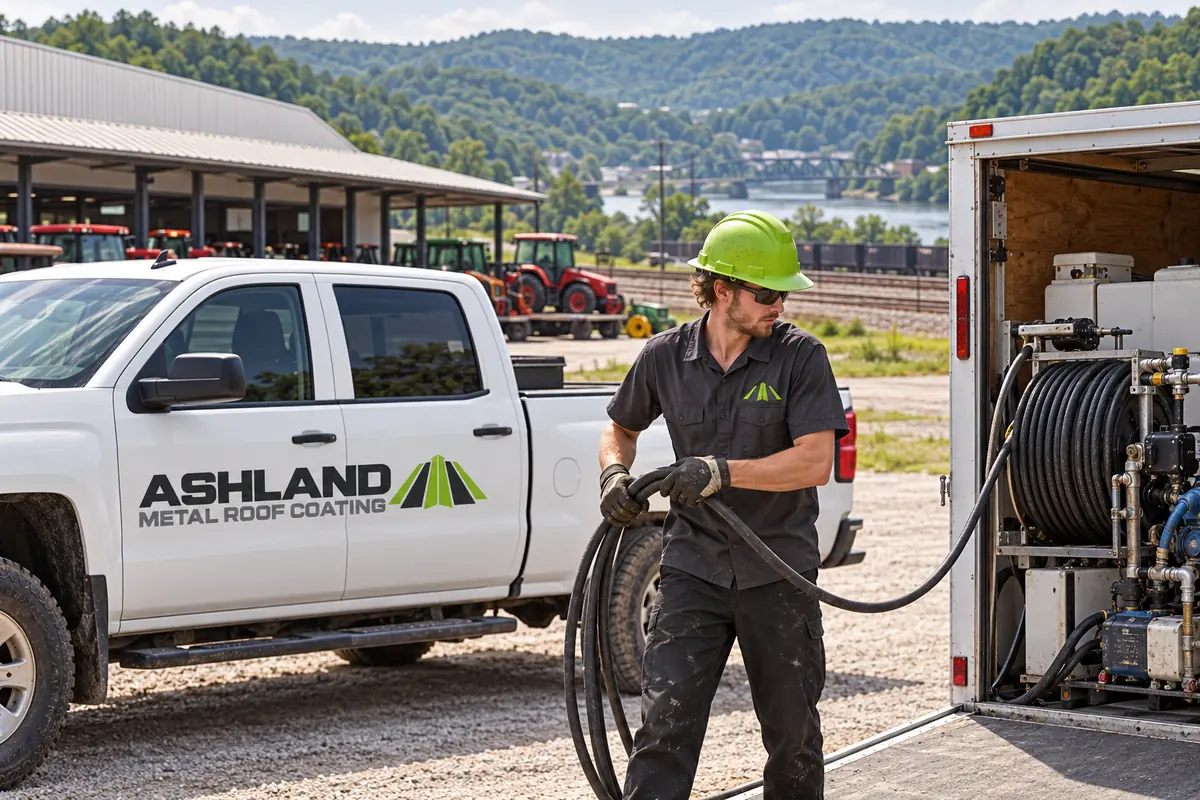
Spray The Foam
On The RoofFoam is sprayed in passes to the planned thickness, filling the ribs, burying fasteners, and building slope where the layout calls for it.
Apply The Topcoat
On The RoofA protective coating goes over the foam as soon as the product allows, shielding it from sunlight.
When A Coating Alone Is Enough
Foam is the heaviest option we offer. These lighter systems fit roofs that need sealing more than insulation.
Metal Roof Coating
Solid panels with leaks at washers and laps need only metal roof coating.
Silicone Roof Coating
A few low spots without insulation problems can take silicone roof coating.
Acrylic Roof Coating
Steep roofs over unheated storage do well with acrylic roof coating.
Shingle Roof Coating
Shingled office wings follow their own path through shingle roof coating.
Spray Foam Roofing Questions
Answers for Ashland-area owners weighing foam against a coating alone.
- Foam Over Metal
Can Spray Foam Go Over An Existing Metal Roof?
Yes. Foam bonds to cleaned and primed steel, fills the ribs, buries the fasteners, and turns a corrugated surface into a smooth one, with a coating over it for sun protection. Compared with a coating only, it adds continuous insulation and can build slope toward drains on flat sections.
How Much Weight Does Foam Add?
Foam is light, though heavier than a coating alone, and thickness adds up across a large roof. The inspection checks purlins and the structure first, and the foam layout is set to the thickness the building needs.
- Farm Buildings
Are Farm Shops Near Greenup Good Candidates?
Often, once rust and fastener problems are fixed. Exposed-fastener R-panel on shops and equipment sheds near the Little Sandy and Ohio rivers stays damp for long stretches, which wears out washers and starts rust at laps. Foam over the panels cuts the condensation that drips on stored equipment.
Does Foam Need A Permit?
Foam that changes roof weight or edge height is the scope permit offices want to hear about. Inside Ashland, call city building inspection first; in Greenup County, the city office or county inspector; in Carter County, the state Department of Housing, Buildings and Construction.
- Upkeep
What Protects The Foam From The Sun?
A coating applied over the foam. Sunlight breaks down bare foam, so the topcoat goes on soon after spraying and gets recoated as it wears, which keeps the foam underneath intact.
Can Damaged Foam Be Repaired?
Yes. A punctured or gouged area is cut out, filled with new foam, and recoated. Walk-throughs after storms catch dents and scuffs from hail or foot traffic before water reaches the foam.
Find Out If Foam Fits Your Building
Get a free estimate that weighs foam against a coating alone for the roof you have.